
Orthodontic topics

Understanding bite and jaw alignment

What clinicians assess when discussing bite, and questions to bring to an evaluation.

Educational orthodontic model illustration, not a patient or clinic photograph
Educational gallery

Orthodontic topics

What to understand

Bite describes how upper and lower teeth meet. Crowding, spacing, or bite relationships can affect orthodontic planning, but one symptom is not enough for a diagnosis. An assessment considers the teeth, their relationship, and medical history.

What to clarify at an examination

If you have pain, jaw locking, or a rapid change in your bite, seek appropriate clinical advice. This site is not a diagnostic tool. Ask which findings need treatment and what options and alternatives exist.

Questions to ask

Does orthodontic treatment resolve every jaw pain? No. Jaw pain can have different causes and needs appropriate evaluation.
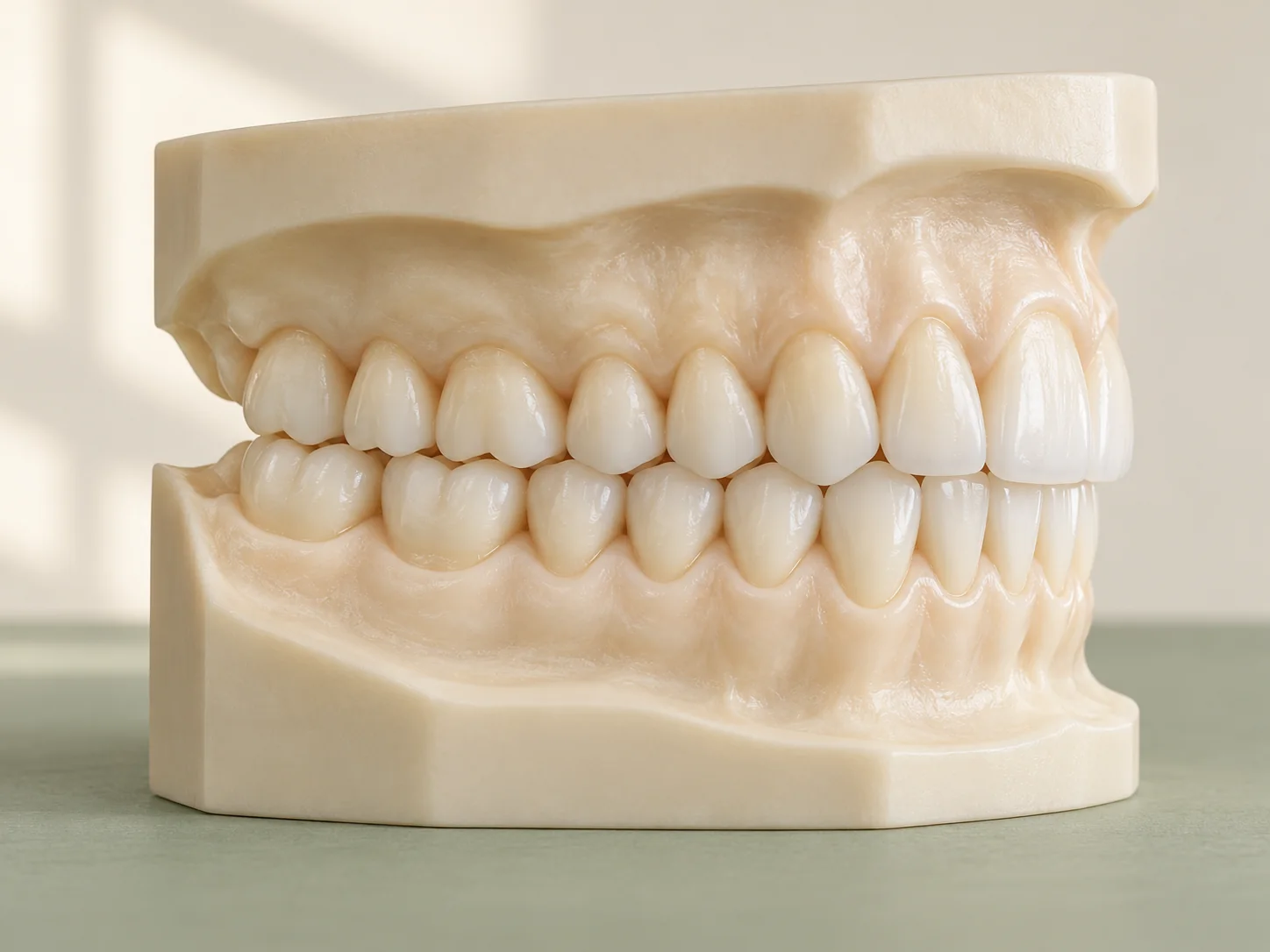
Educational orthodontic model illustration, not a patient or clinic photograph
Educational gallery

Frequently asked questions

Questions to ask

If you have pain, jaw locking, or a rapid change in your bite, seek appropriate clinical advice. This site is not a diagnostic tool. Ask which findings need treatment and what options and alternatives exist.

Does orthodontic treatment resolve every jaw pain? No. Jaw pain can have different causes and needs appropriate evaluation.

If you have pain, jaw locking, or a rapid change in your bite, seek appropriate clinical advice. This site is not a diagnostic tool. Ask which findings need treatment and what options and alternatives exist.

Start with your question

Start with your question

Call or message on WhatsApp to ask how to arrange an examination. Treatment suitability, price, and duration can only be discussed after an individual assessment.

Ask what to expect at a first examination, what information to bring, and who may accompany you.

This website is for general education. It does not replace an examination, diagnosis, or personal advice from a dentist.